ATILANO FAMILY TREE

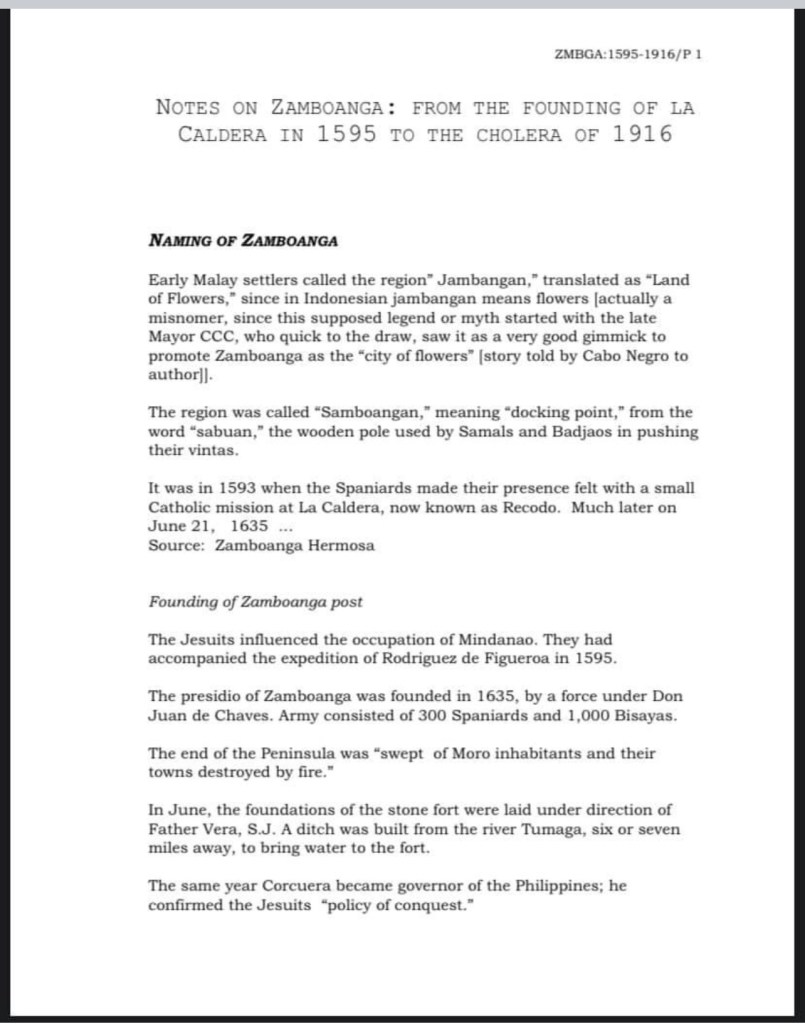
The Atilano surname originated in Spain, specifically in the Basque region, where the name “Atilano” or “Attilano”
During the Spanish colonial period, many Spaniards with the surname Atilano traveled to the Philippines as:
- Missionaries (like Father Juan Atilano)
- Soldiers (like Inocencio Atilano)
- Government officials
- Settlers
Some Atilanos intermarried with local Filipinos, while others maintained their Spanish heritage. Over time, the surname Atilano became established in the Philippines, particularly in areas with significant Spanish influence, such as Manila and the Visayas region.
Today, the Atilano surname can be found among Filipinos of Spanish descent, as well as in Spain and other countries with Spanish connections.
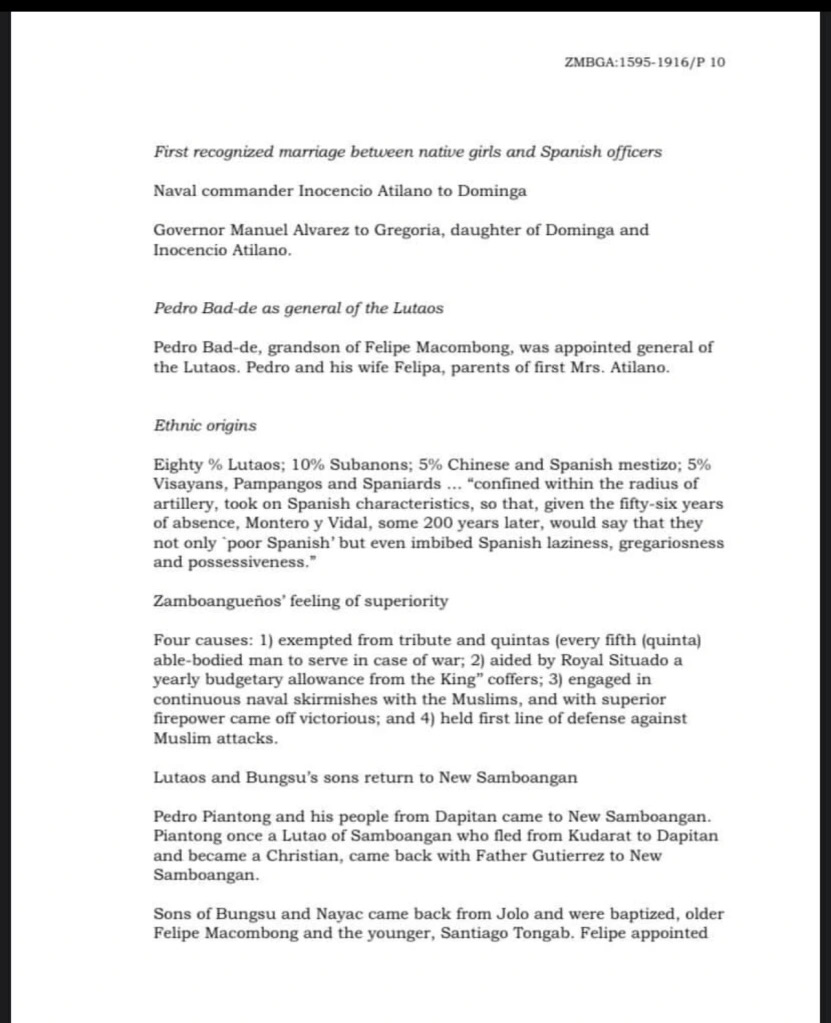
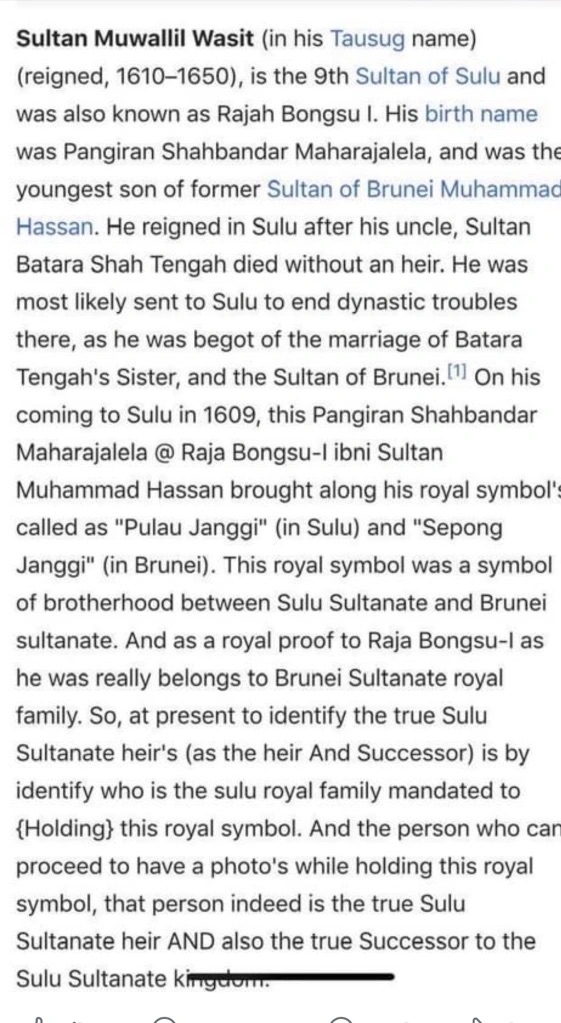
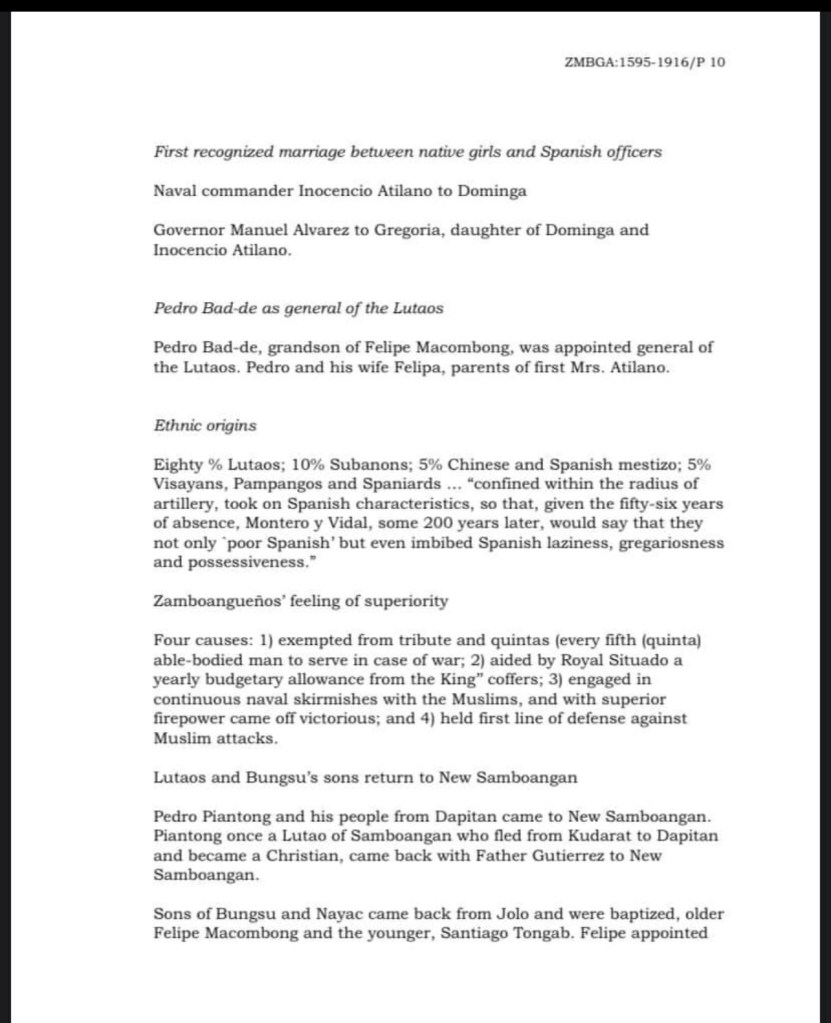
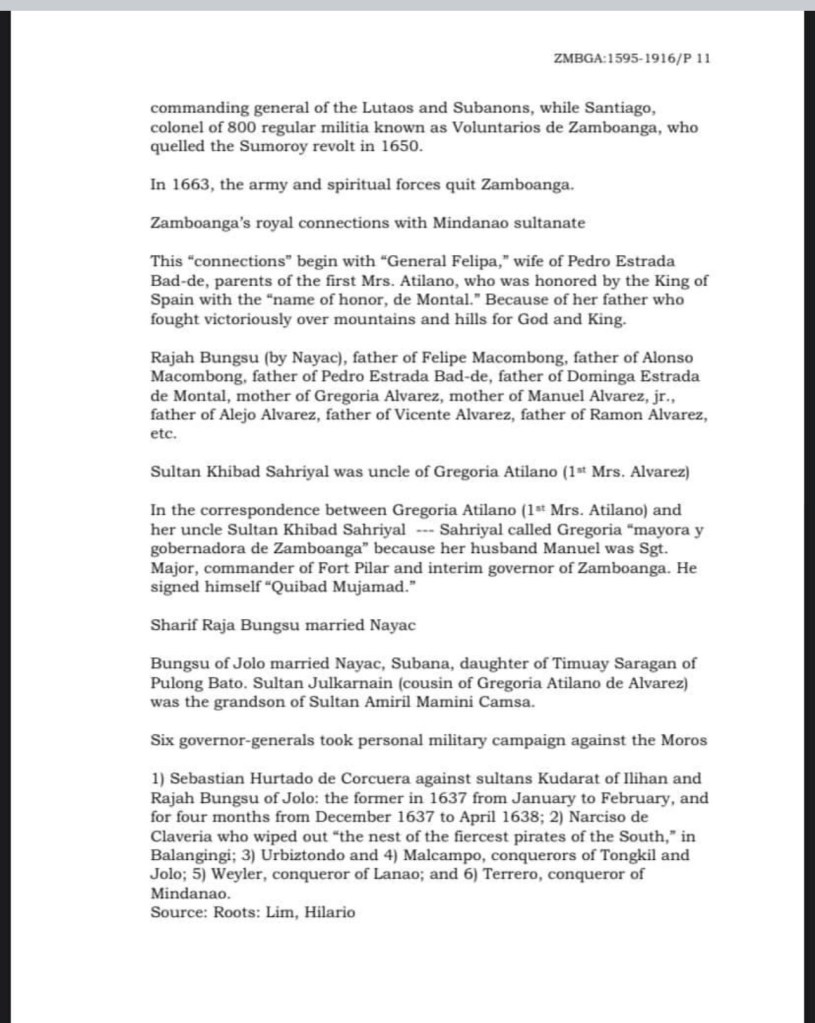
Capitan Inocencio Atilano Dela Marina, a Spanish naval officer, married a descendant of Shariff Kabungsuan and Princess Nayac, a Muslim princess, inside Fort Pilar in Zamboanga City, Philippines! This union is considered the first recorded intermarriage between a Christian and a Muslim in the Philippines.

The marriage between Inocencio Atilano, a Spanish Catholic, and a princess from the Maguindanao royal family, a Muslim, is considered one of the first recorded intermarriages between a Catholic and a Muslim in the Philippines.
This union was significant because it bridged the two different religious and cultural communities, which had previously had limited interactions. The marriage may have been a strategic alliance to foster peace and cooperation between the Spanish colonial authorities and the local Muslim royalty.
It’s worth noting that during the Spanish colonial period, intermarriage between Catholics and Muslims was rare, as both religions had strict rules and regulations regarding marriage outside of their faith. However, this union suggests that there were exceptions and that some individuals were able to navigate these cultural and religious boundaries.

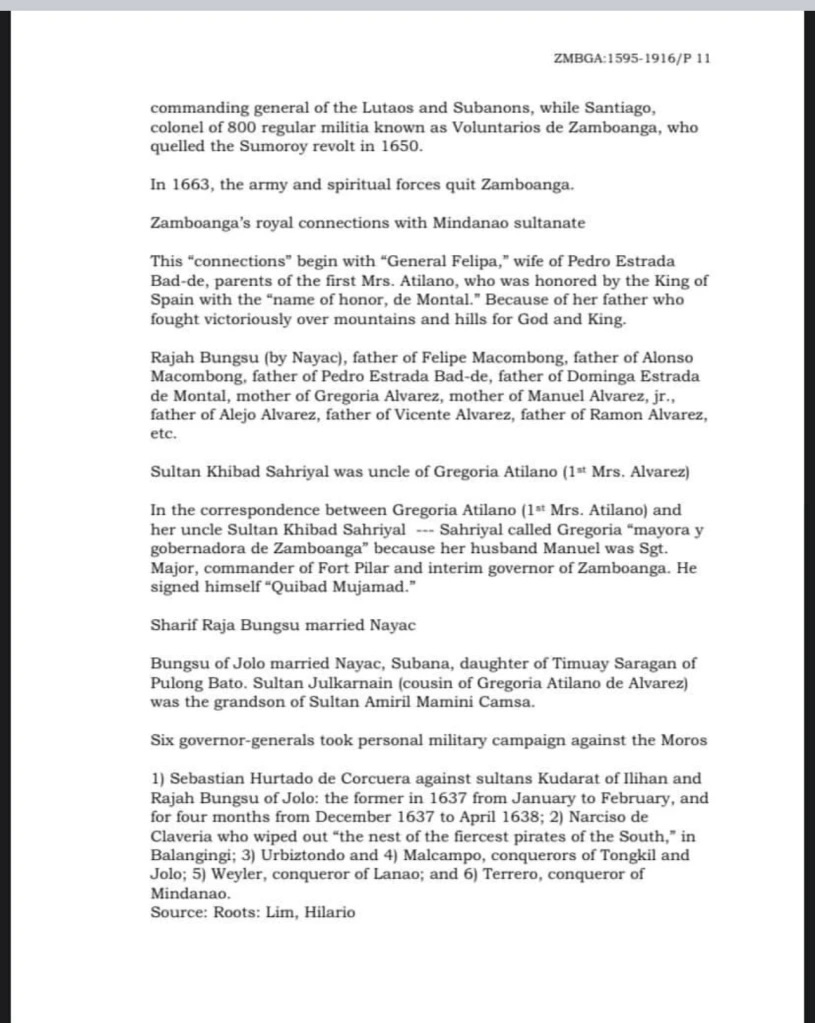
Sharif Kabungsuan (also known as Sharif Awliya or Sharif ul-Hashim) was a 16th-century Sufi missionary and Islamic scholar who played a significant role in the spread of Islam in the Philippines, particularly in the Sulu Archipelago.
Here are some key points about Sharif Kabungsuan:
- Arabian origin: Believed to have come from Hadhramaut, Yemen, or Mecca, Saudi Arabia.
- Arrival in Sulu: Arrived in Sulu around 1450-1470, during the reign of Rajah Baguinda Ali.
- Conversion of the locals: Converted the local rulers and people of Sulu to Islam, establishing the Islamic faith in the region.
- Founding of the Sulu Sultanate: Helped establish the Sulu Sultanate, which became a major Islamic power in Southeast Asia.
- Legacy: Remembered as a pioneer in the spread of Islam in the Philippines and a revered figure in Sulu’s history.
Sharif Kabungsuan’s arrival and missionary work had a profound impact on the cultural, religious, and political landscape of the Sulu Archipelago, shaping the region’s identity and heritage.
From AI
Father Juan Atilano and Inocencio Atilano were two different individuals with the same surname, Atilano.





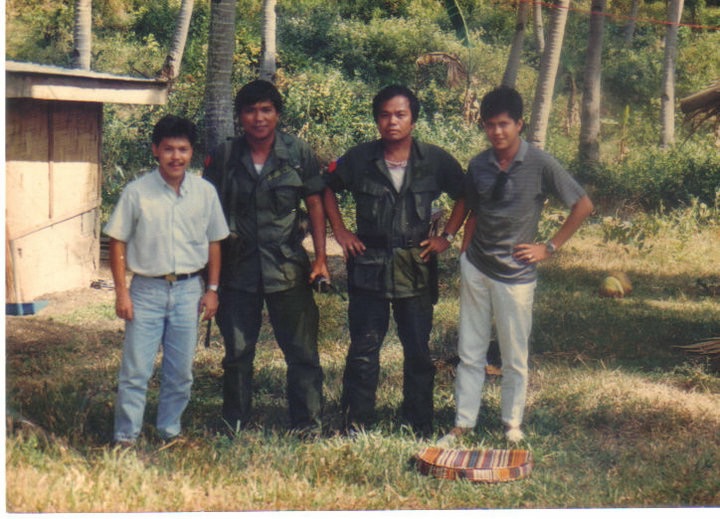












“Join Our Hands for Nature” is a phrase associated with John Atilano’s advocacy for environmental stewardship and conservation. He believed that taking care of the environment is a moral and spiritual imperative, and that individuals should work together to protect the natural world.
Through his writings and talks, Atilano encouraged people to adopt a more sustainable and eco-friendly lifestyle, and to recognize the interconnectedness of all living things. He saw the protection of nature as a way to honor God’s creation and to ensure a better future for generations to come.
Some key aspects of Atilano’s environmental advocacy include:
- Interconnectedness: He emphasized the interconnectedness of all living things and the importance of preserving the balance of nature.
- Stewardship: Atilano believed that humans have a responsibility to care for the earth and its resources, and to use them wisely.
- Sustainability: He advocated for sustainable practices and lifestyles that minimize harm to the environment.
- Community action: Atilano encouraged individuals to work together to protect the environment and promote environmental awareness.
- Spiritual dimension: He saw environmental stewardship as a spiritual imperative, and encouraged people to cultivate a sense of reverence and awe for the natural world.
By joining our hands for nature, Atilano hoped to inspire a sense of collective responsibility and action to protect the earth and ensure a sustainable future.
John Atilano From AI
 Let's Join Our Hands for Nature
Leave a comment