August 9, 2023
We went to Selecta in Vallejo to eat Dinner with Jeanette.
The owner Manong Rey Panlilio was telling a story of the big Winner of the lottery who is a Filipino from Los Angeles
Then after a long chat. He changed topic and continue to tell us that it is very important to the children and kids to have a family.
That is one thing he treasures most.
He told me about his grandchild to was able to discover their roots. Yay Panlilio
He keep on repeating Yay Panlilio and forget other detail about it.
Since he mentioned about the Guerilla movement, I said the Name General Marking and his eyes lits up.
He said yes he remembers that name General Marking.
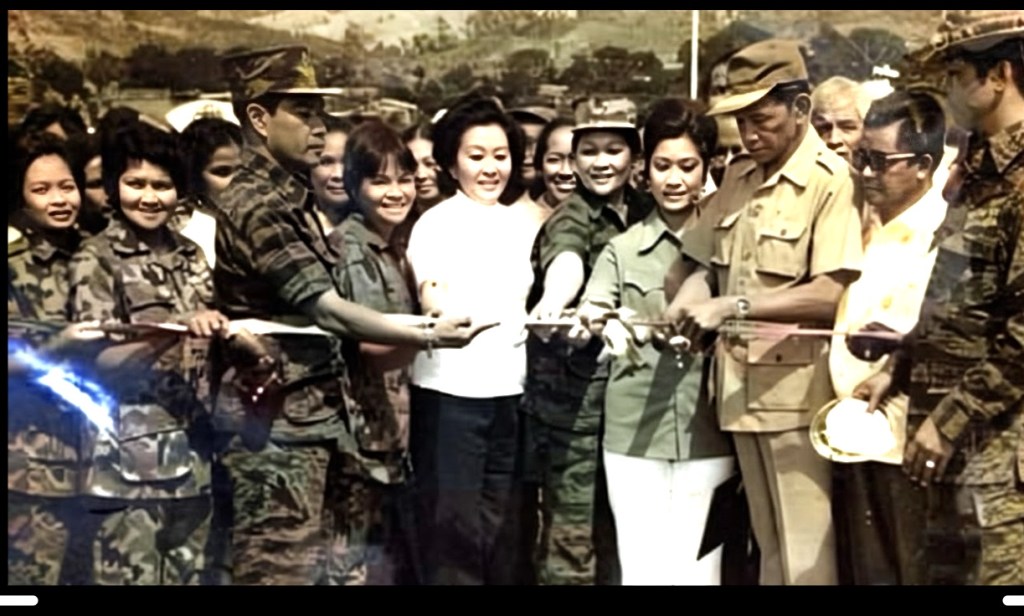
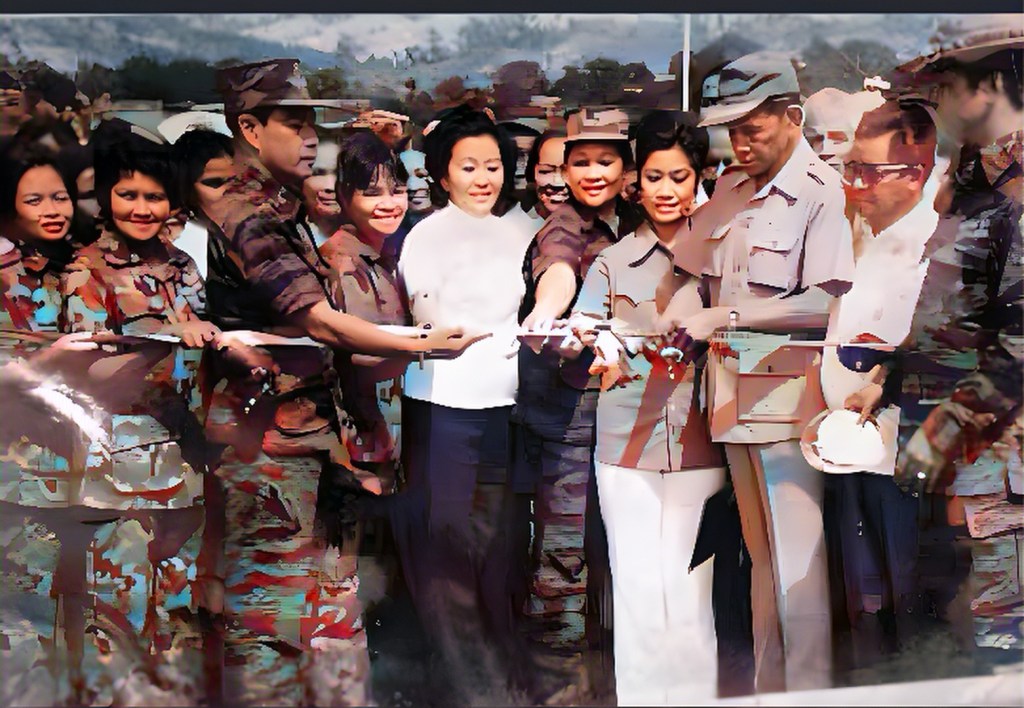
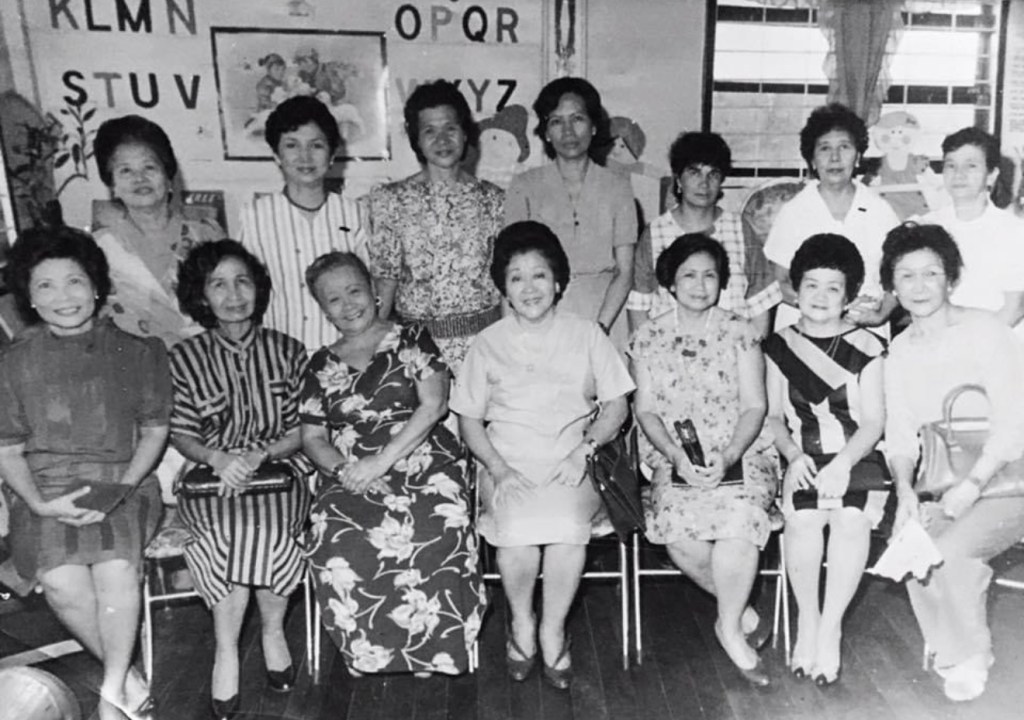
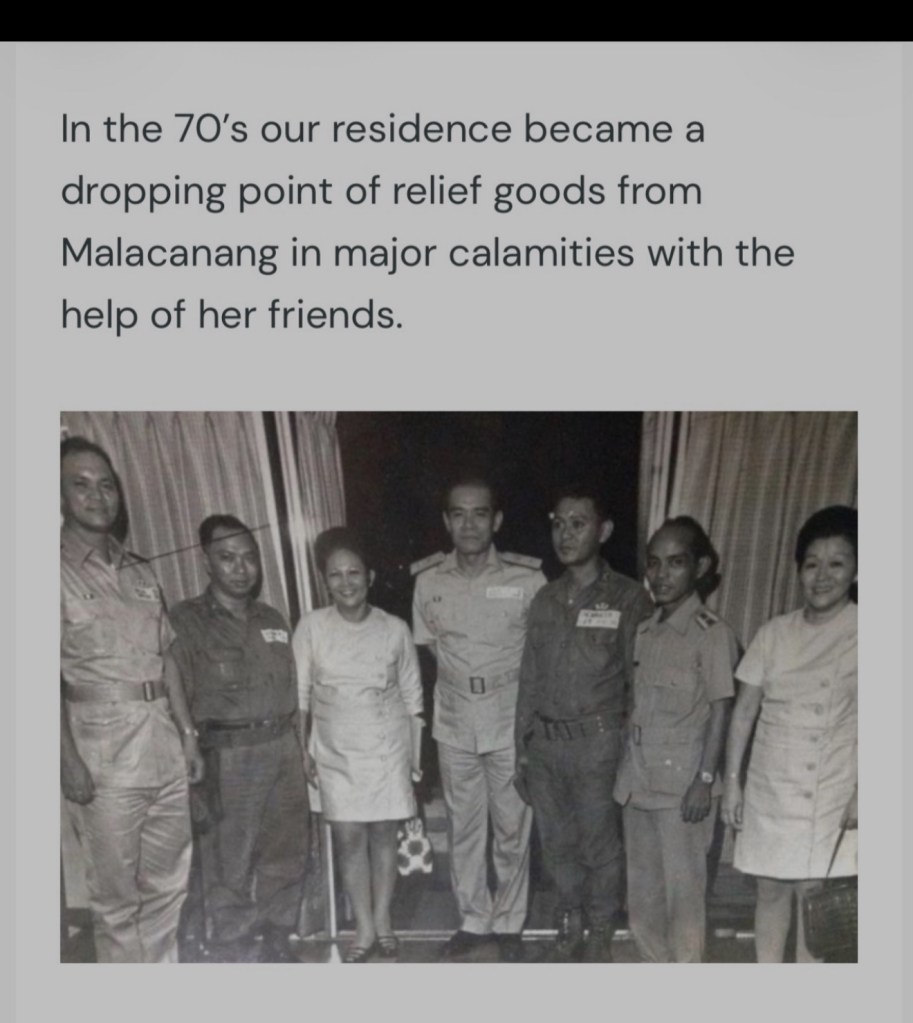
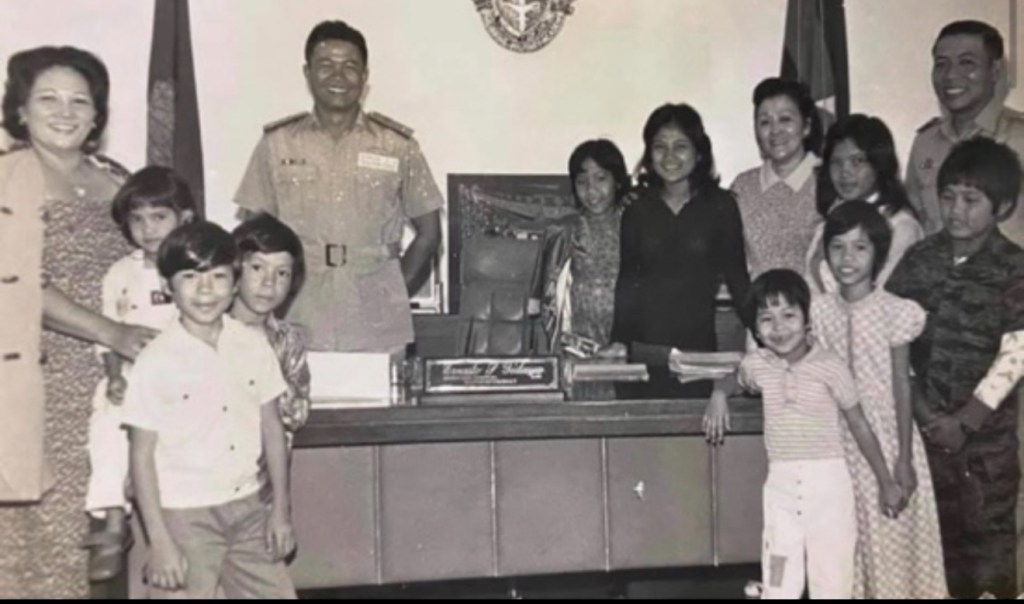
I met General Marking before in Camp Capinpin with the family of General Ramon L. Cannu. Beside my mom is Oyie Marking, General Marking’s wife
I research about it and was so surprised
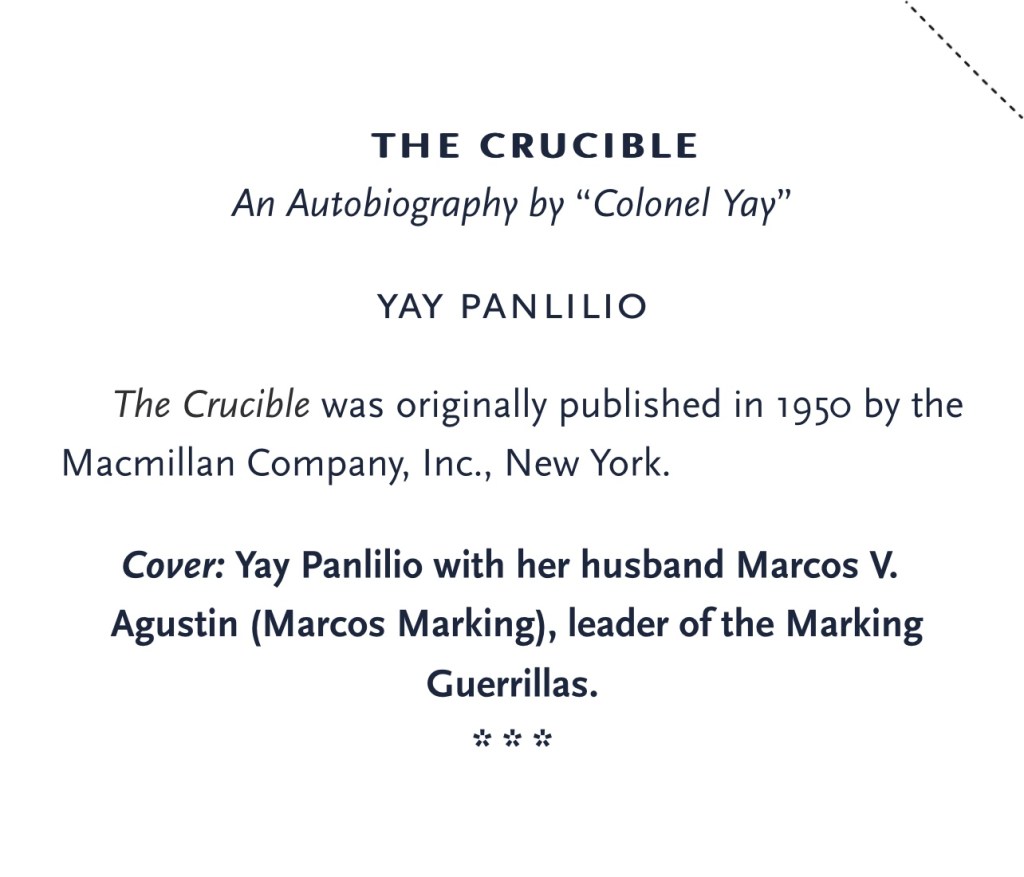
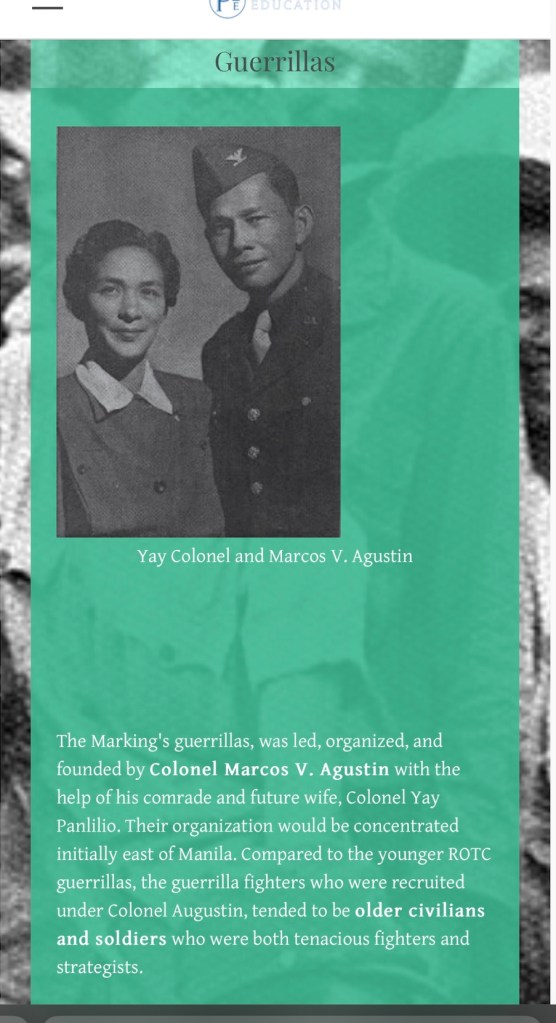
General Marking and Yay Panlilio is indeed together. She even wrote a book about the story of the guerrilla movement
Maybe there is a reason for everything that happened
The present generation of The Panlilio to be connected with family of Marking
Formation under FAIT
By Wikipedia
The force was first organized in early 1942 by Colonel Marcos Villa “Marking” Agustin of the Philippine Scouts. In July of that year, Agustin was joined by journalist and intelligence agent Valeria “Yay” Panlilio, beginning a close relationship between the two. The Marking Guerrillas initially consisted of 150 men, and was part of a larger guerilla army known as the Fil-American Irregular Troops (FAIT), which was organized under U.S. Army Lieutenant Colonel Hugh Straughn.[1] In contrast to other Filipino guerrilla units such as the Hunters ROTC, the Marking Guerrillas consisted primarily of older soldiers and civilians from the lower classes of Filipino society.[2] Agustin claimed that his force consisted of 200,000 men and women; a recognition program by the U.S. Army commissioned after the war determined Marking’s Guerrillas to have consisted of roughly 12,200 members by 1945.[3] Between August 1942 and April 1943, the Marking Guerrillas were involved in a series of skirmishes with Japanese patrols on a 4 mi (6.4 km) by 2 mi (3.2 km) peninsula on the banks of Laguna de Bay, the largest lake in the Philippines.[4]
Independent resistance and rivalry with Hunters ROTC
Following Straughn’s capture and subsequent execution by the Japanese in August 1943, the Marking Guerrillas became an independent force, operating primarily in the Sierra Madre mountains of Luzon 50 km (31 mi) southeast of Manila. During this time, the guerrillas printed their own banknotesto fund the anti-Japanese resistance and be used as currency for local Filipino communities that they had freed from Japanese control.[1]
A rivalry existed between the Marking Guerrillas and the Hunters ROTC, and while both initially worked together under Straughn’s leadership, animosity between the two erupted as they competed for support in Rizal and stole arms from each other as a result of weapons shortages. The two groups engaged in violent clashes with one another, one notable instance being in March 1944 when several Marking units attacked Hunters commander Terry Adevoso‘s headquarters at Mayamot, an attack which was ultimately repelled. Armed conflict between the two continued until August 1944, when U.S. officer and guerrilla commander Bernard Anderson intervened to end the feud.[5]
The Marking Guerrillas co-operated with the ethnic Chinese Wha-Chi guerrilla unit in the capture of Santa Cruz, Laguna, from the Japanese on January 26, 1945.[6]
Capture of Aguinaldo and Ipo Dam Battle
Units of the Marking Guerrillas participated in the Battle of Manila, where they were responsible for the capture of Japanese collaborator and former Philippine president Emilio Aguinaldo, whose home they raided on February 8, 1945. According to Aguinaldo, the guerrillas stole and destroyed many of his belongings during the raid, including jewelry, articles of clothing, documents, and tens of thousands worth of pesos and yen, and had also assaulted his niece.[7]
During the later phases of the Philippines campaign, the Marking Guerrillas assisted the U.S. 43rd Infantry Division commanded by General Leonard Wing. This division, and the Marking Guerrillas by extension, were involved in the capture of the Ipo Dam, Manila’s primary water source, from the Japanese, with guerrillas attacking Japanese forces from the western sector of the dam on May 6, 1945. Two guerrilla regiments gathered in Angat, where they captured several strategic positions from the Japanese. On May 17 they crossed the Angat Riverand raised the American flag over the Ipo Dam’s powerhouse, marking the Ipo Dam campaign a success.[1][8][9] The guerrillas had lost 40 men during the raid. The Battle of the Ipo Dam is perhaps the event the Marking Guerrillas are best known for, with American military historian Robert Smith stating that the guerrillas deserved “the lion’s share of the credit for the capture of the Ipo Dam.”[10]
The Marking Guerrillas ceased operations and disbanded shortly after their victory at the Ipo Dam, largely due to the departure of Yay Panlilio to the United States in early April of 1945. Panlilio would later write of the experiences of her and her husband in her 1949 autobiography The Crucible.
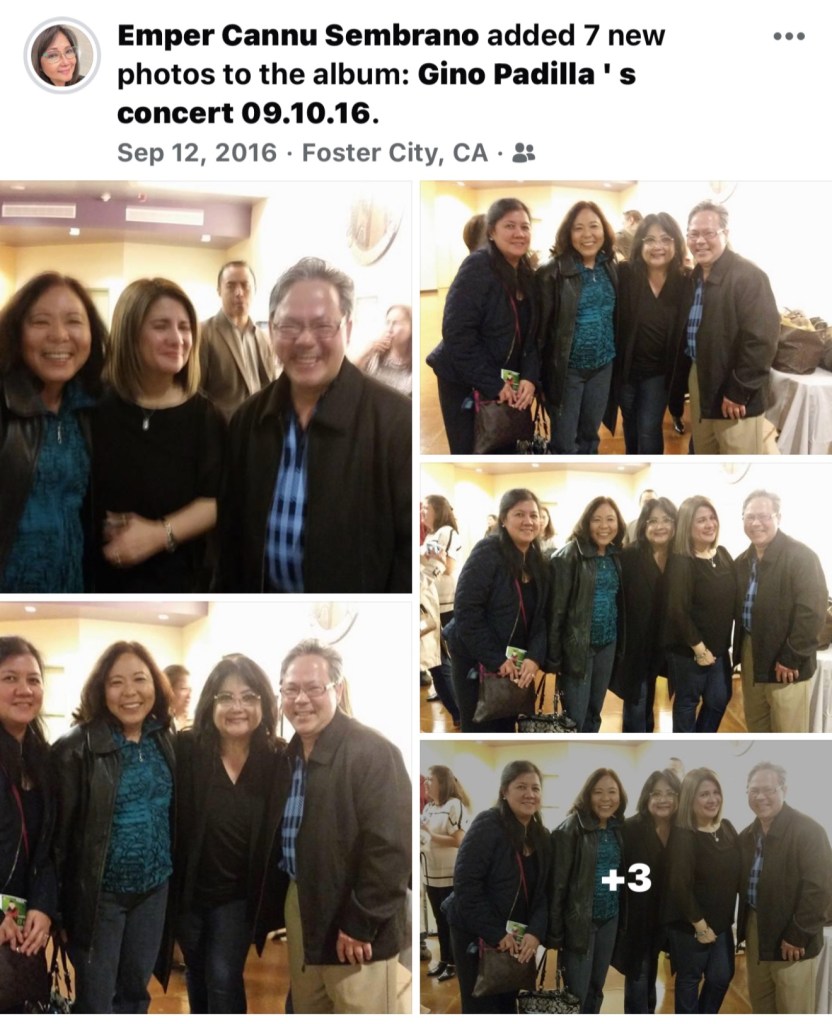
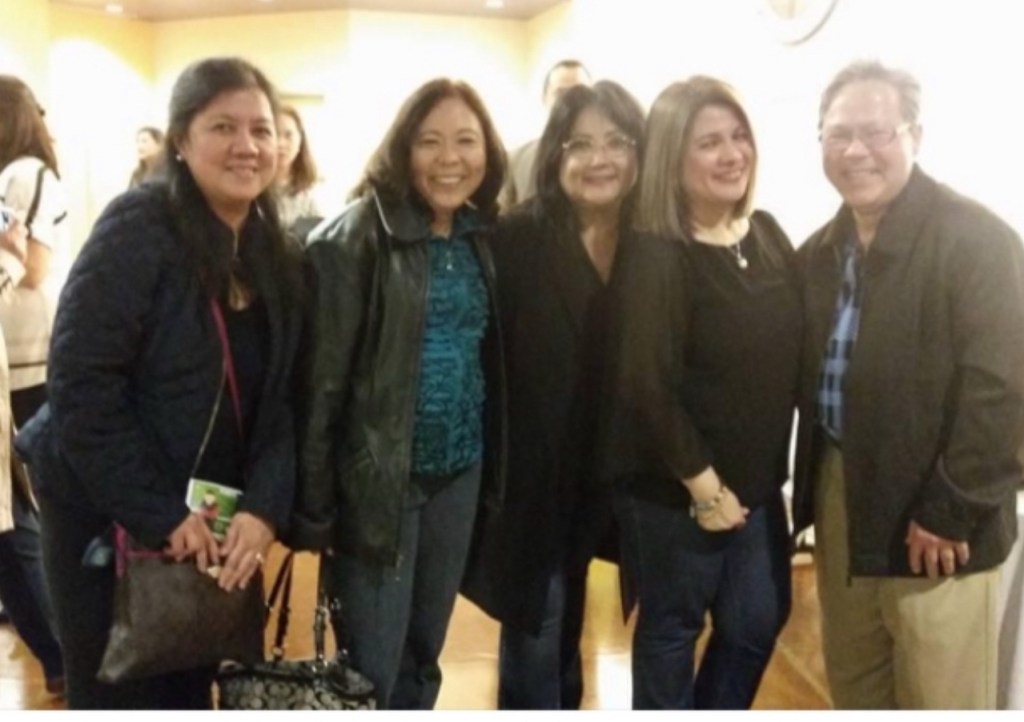
August 27, 2026 on the Six Year Anniversary of the death of my Mother l once again connected with Emper Cannu daughter of General Ramon L Cannu.l
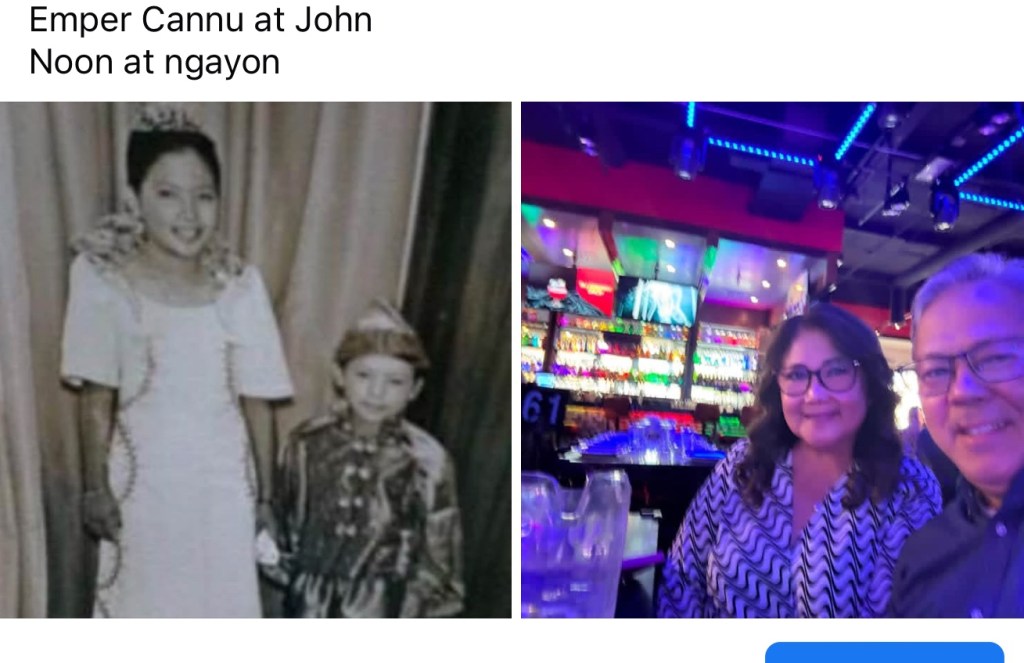
Yes she was a close with the Marking and still in contact with them. This is good news
Her Mon and her Mommy are best friends
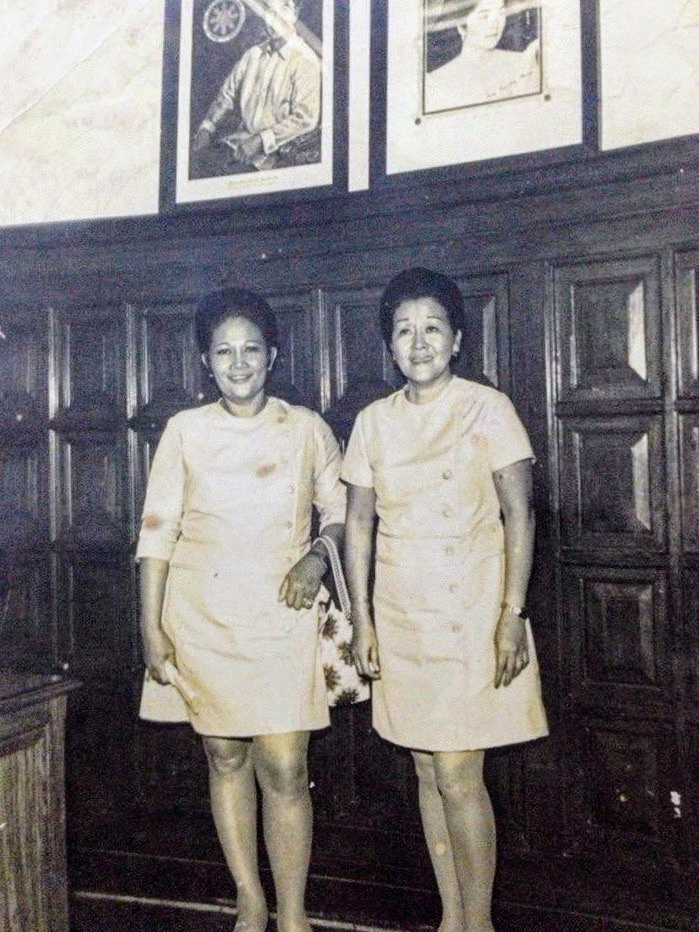
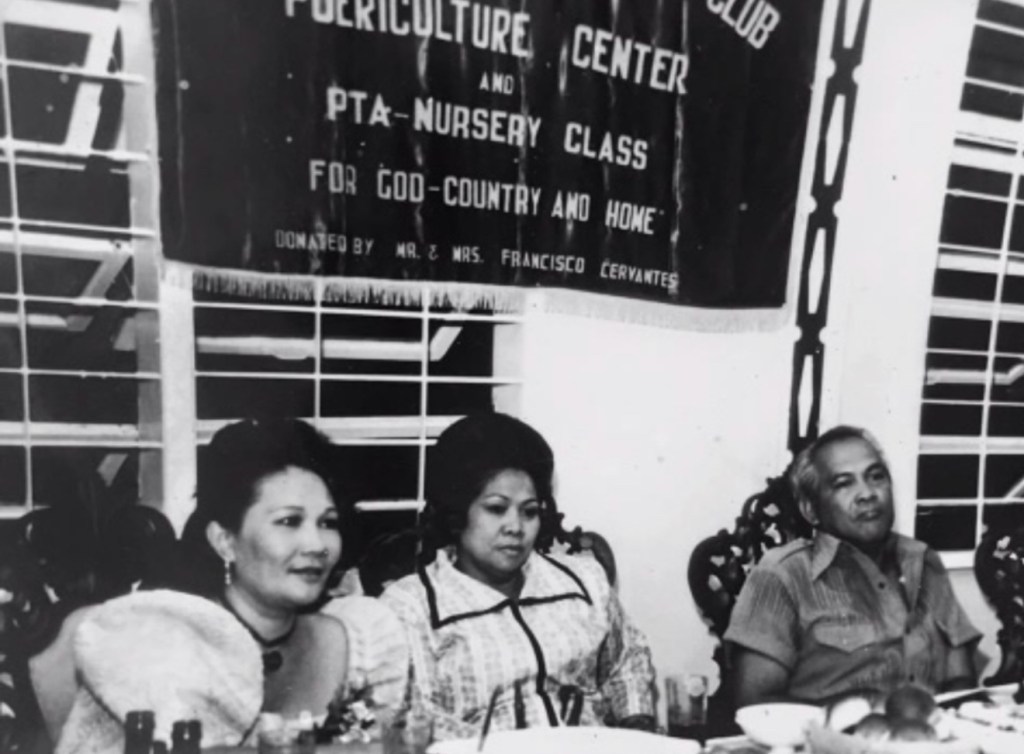
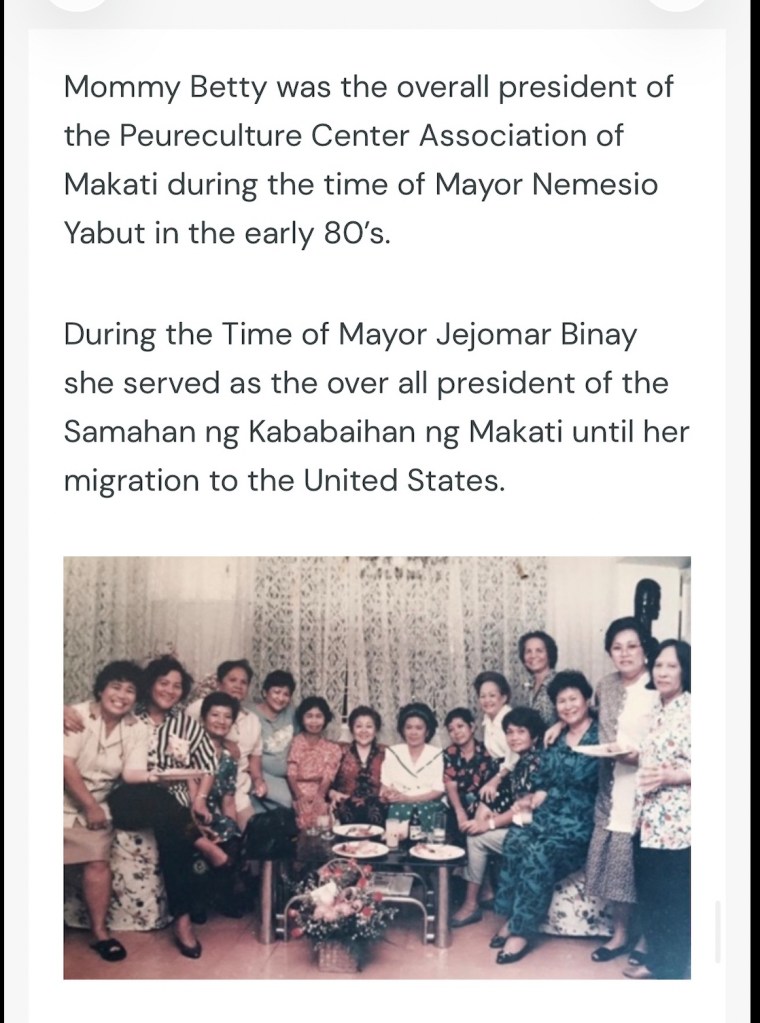
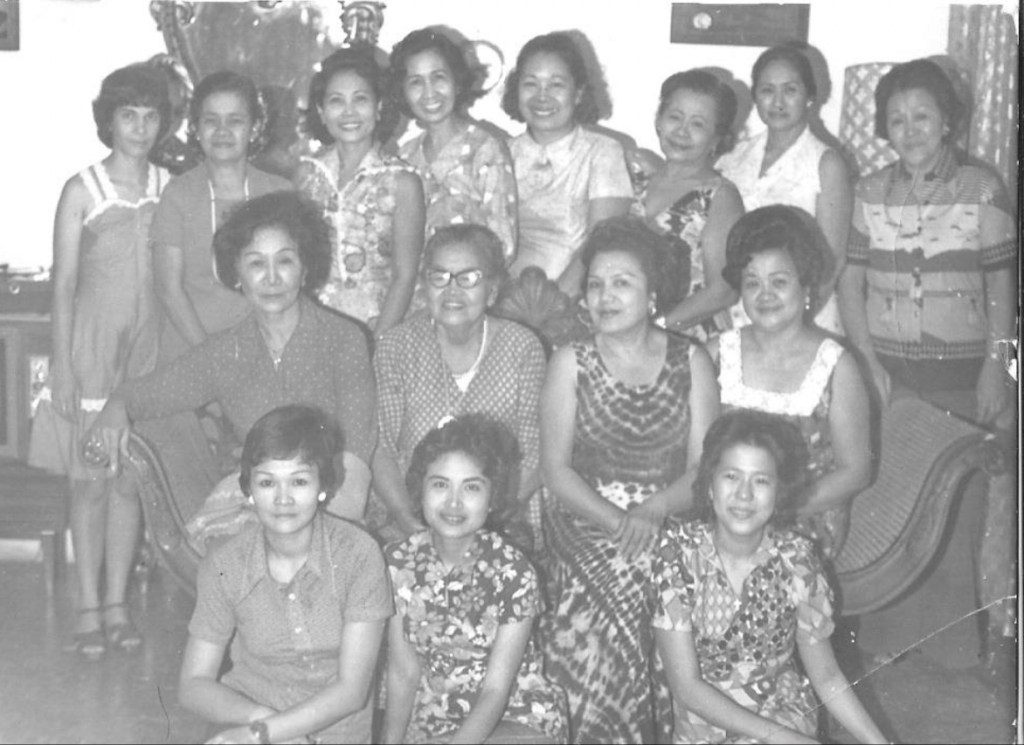
They both works in the Municipality of Makati at the time of Mayor Nemesio Yabut
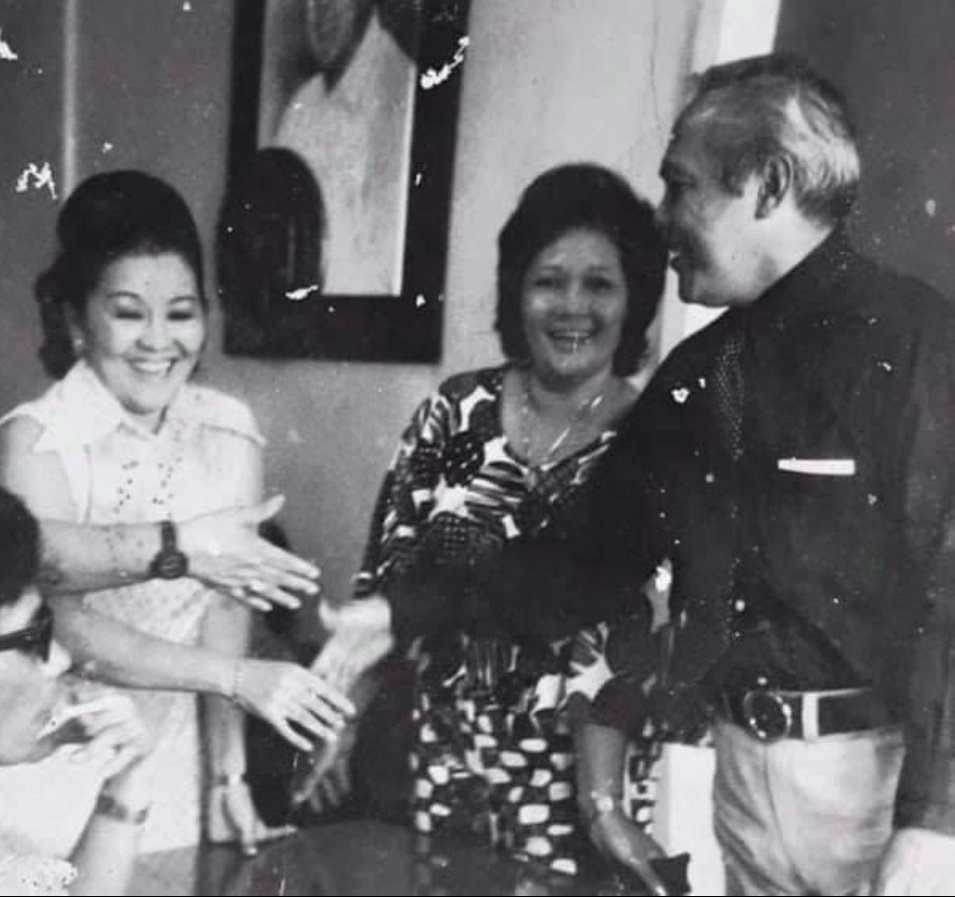
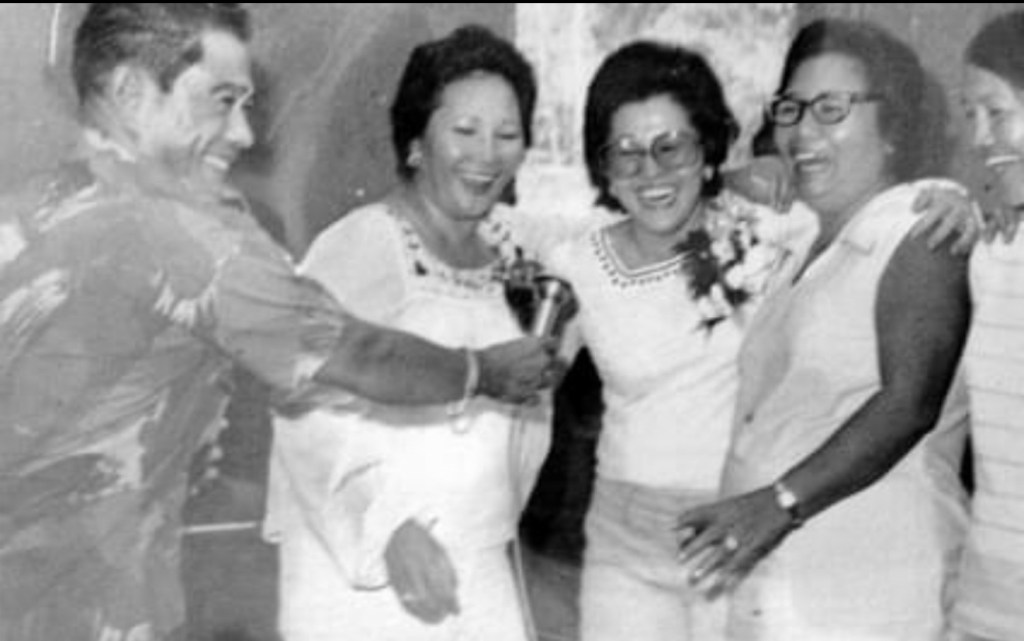
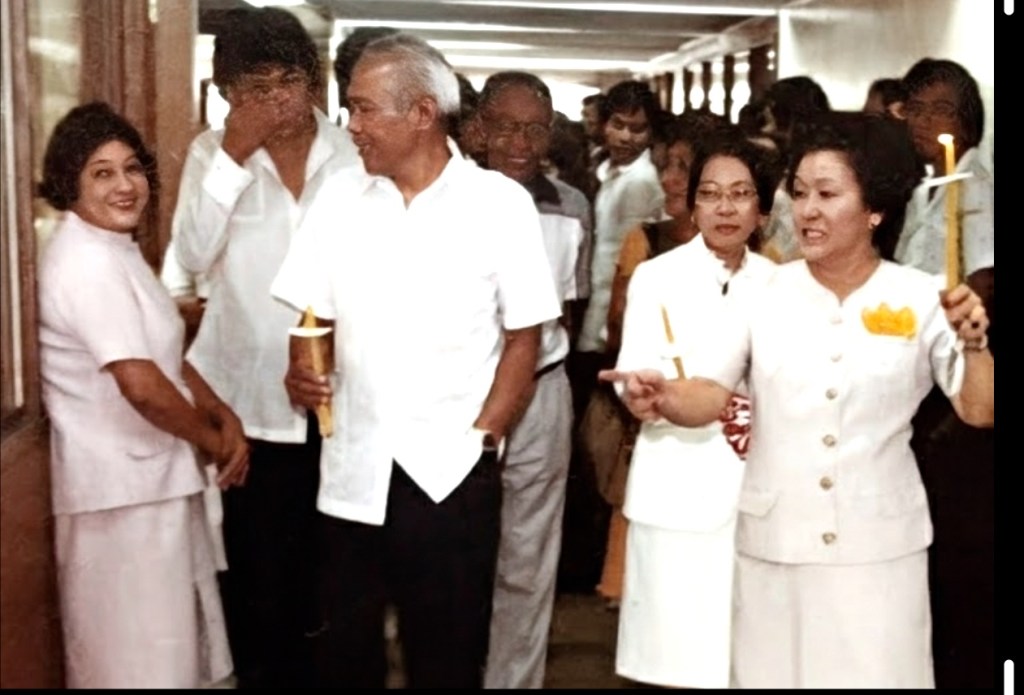
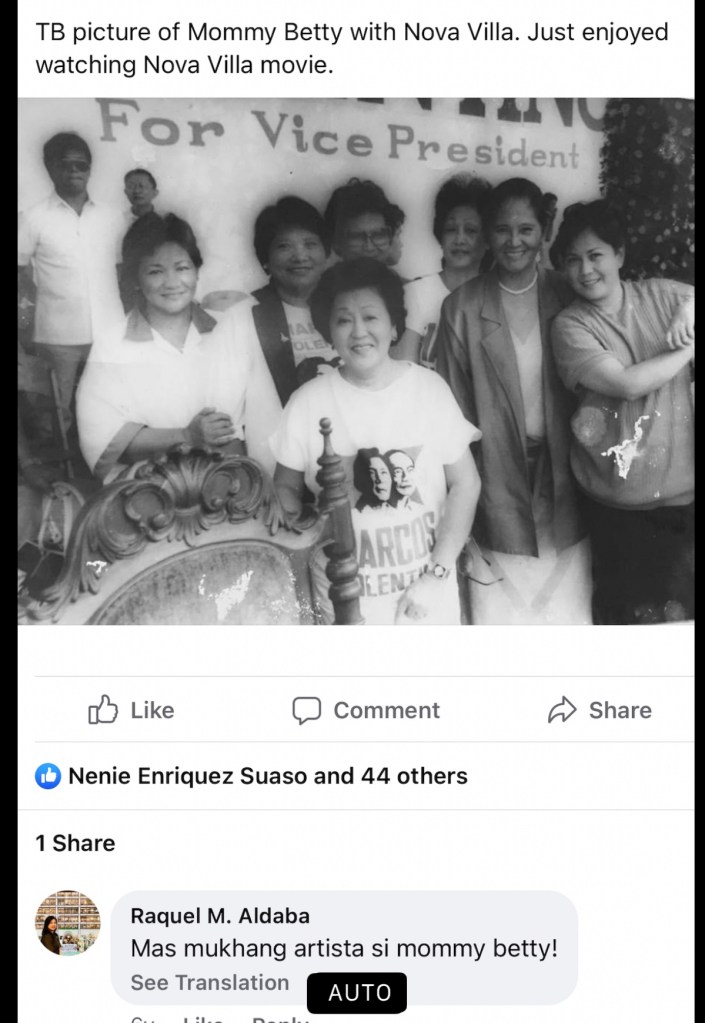
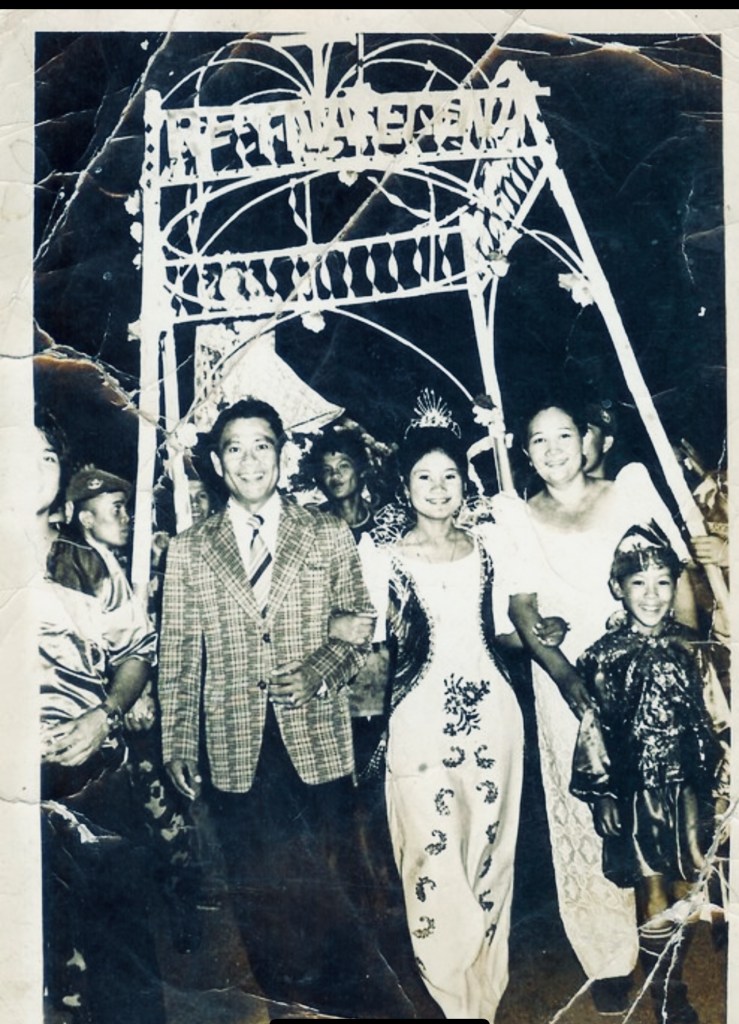
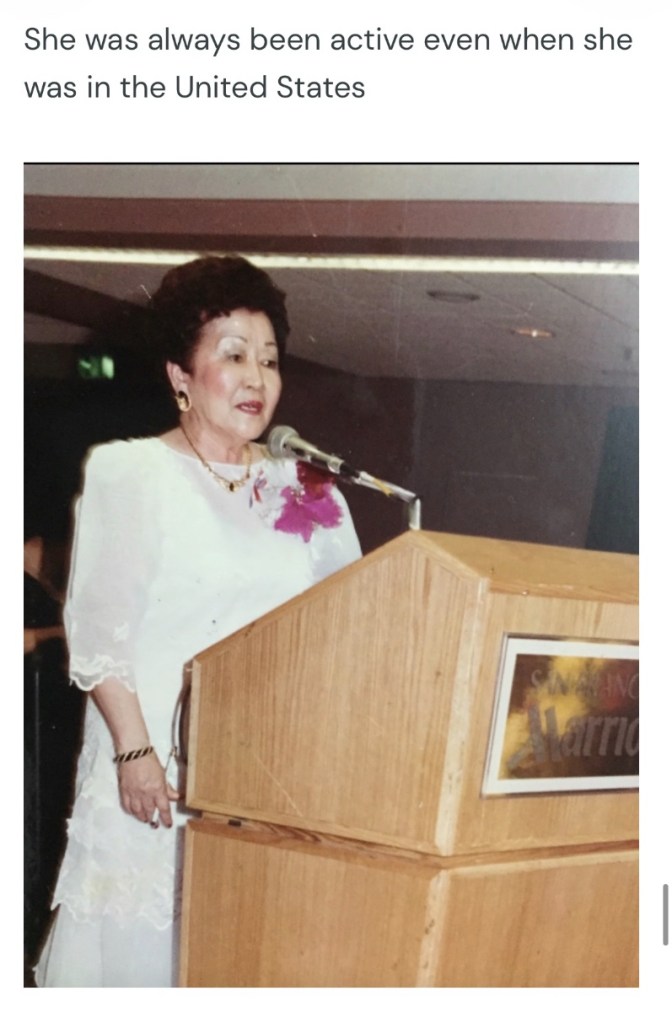
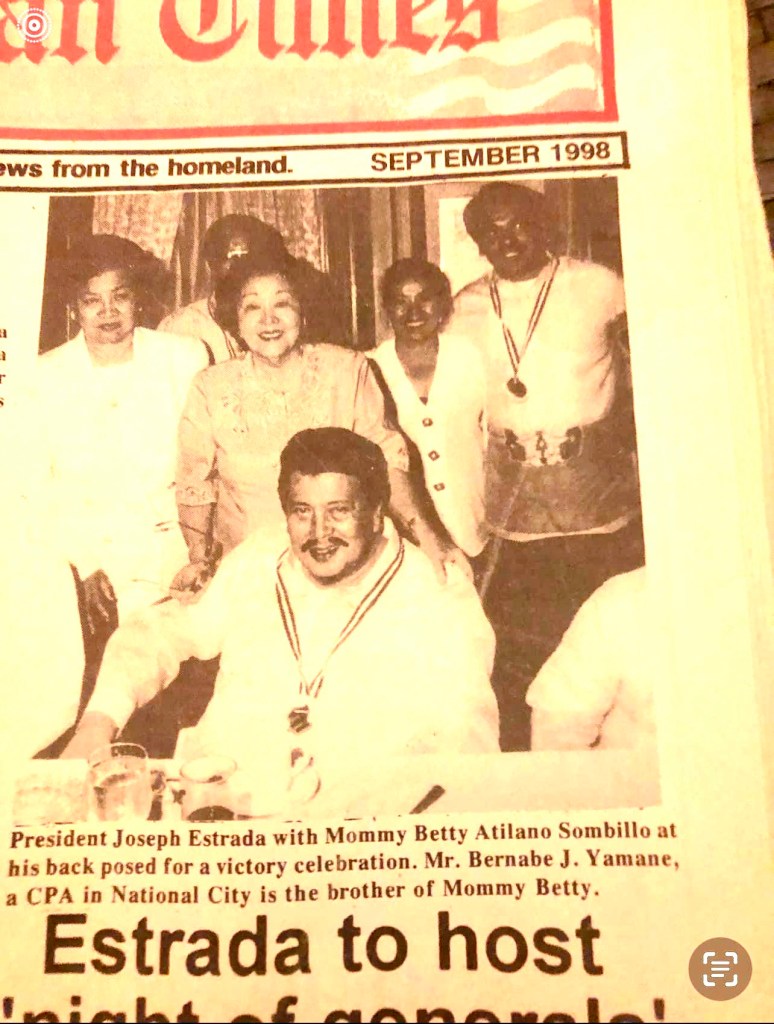
In the whole of Makati they would call her Mommy Betty
The barangay of San Antonio loves her for she likewise did works at the Barangay as Treasurer under Barangay Antonio Santa Ana and teacher at the same time at the Makati Polytechnic in Buendia
Hard working mother with a smile
Nobody can bit her with her charisma she is well loved
She is genuinely generous and giving


Leave a Reply